













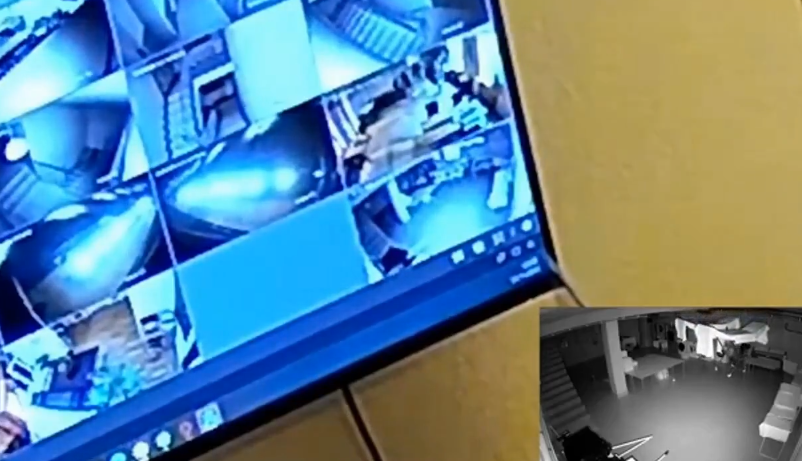
Polish hackers reportedly broke into a Russian CCTV system and trolled the staff by creating the illusion of “ghosts” inside the building. They altered the camera feed, moved objects around, and when employees tried to record the strange activity, the hackers cut the video stream. The prank ended with a humorous message. The article explains how this unusual incident highlights weaknesses in Russia’s security systems and the evolving nature of modern cyber warfare.
Poles Hijack Russian CCTV — Troll Russians With Ghosts 👻
In a bold cyber-move, a group of Poles have reportedly infiltrated a Russian building’s security camera network - and decided to have a little fun, pranksters took over the cameras, manipulated the video feed, and started rearranging objects inside rooms. When employees tried to document the strange events, the feed was suddenly cut off.
Witnesses (or rather victims) described floating “apparitions,” items moving on their own, and other spooky phenomena — leading some to believe the building was haunted. The pranksters later left a final message on the system, presumably to let the baffled occupants know they were behind it.
🇵🇱 Polish hackers broke into a Russian hotel IT System and started trolling employees that there are ghosts in the building 😆 pic.twitter.com/3Kn5QadpSm
— Intermarium 24 (@intermarium24) December 9, 2025
Why It Matters
This incident — whether purely prank or part of a broader sabotage campaign — reflects the reality of modern cyber-warfare: surveillance systems can be weaponized. Recently, experts have warned about a wave of hacks targeting IP cameras in Russia’s neighbour countries.
The notion that a group (possibly aligned with Western hacktivists) could control Russian CCTV and use it not just for espionage but also psychological operations or morale-impacting pranks highlights how digital tools can be used to unsettle, confuse or even demoralize.
Moreover, as Anonymous and other hacktivist collectives have shown in the past, breaching state-controlled camera systems is not purely theoretical. In 2022, Anonymous claimed to have hacked hundreds of Russian security cameras, posting anti-government messages to support Ukraine.
The Takeaway
-
If confirmed, this operation shows how “cyber conflict” today can include psychological trolling and not just data theft or propaganda.
-
It underscores weaknesses in surveillance infrastructure — even state-grade CCTV systems may be vulnerable to unauthorized takeover.
-
For the Russian occupants — and by extension, anyone relying solely on CCTV for “security” — it demonstrates that appearances can be deceiving; control over what you see doesn’t always equal control over what is real.
This is a summary version of the article, created for a quick overview of the most important information. To fully understand the topic and get all the details, we encourage you to read the full version.
The full article and the original source are available at the link below:
Read the full article on youtube.com
No comments yet. Be the first one!